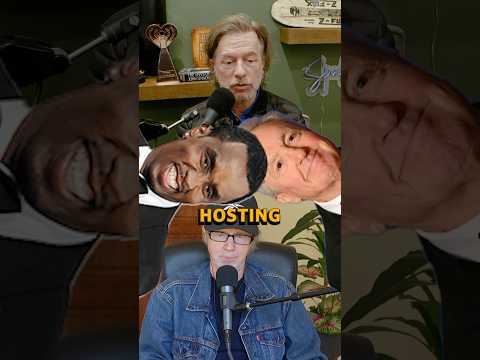
Andrew Watt on Mick Jagger, Paul McCartney, and Madonna
Ask about Fly on the Wall with Dana Carvey and David Spade
Episode Description
Andrew Watt joined the podcast in between meeting with Brandi Carlile and having a chicken parm with Chad Smith to talk about working with The Rolling Stones, telling Paul McCartney what he thinks of his songs, and getting guitar lessons from Keith Richards. Also, Justin Bieber, Madonna, and Lady Gaga.
On Audacy’s Fly on the Wall, Saturday Night Live stars Dana Carvey and David Spade take listeners behind the scenes and reminisce about their favorite SNL moments, memories, and sketches with special guests.
Listen free: Apple: link.pscrb.fm/f0281/flyonthewallseriesapple-27cc3 Spotify: link.pscrb.fm/f0281/flyonthewallseriesspotify-e5650
Read the full transcriptHide the full transcript
- I got so lucky to work with Paul McCartney and we're doing the Stones, >> right?
- >> He has me there so that I can [music] give my opinion. Otherwise, I'd just be
- a fan going like, "This is awesome." Right. That's I could do that, too. He doesn't want me there for that.
- >> If if he was ever quiet around you, that's just because he probably didn't give a [laughter]
- >> Supposedly Mozart farted a lot while he was composing. [laughter] Did he fart in between the notes like
- the Beatles? You barely noticed like around He'd be around people like all the time and just like let one rip.
- >> Andrew Watt, >> star producer, music guy that uh we both know out there in the world. Um, and
- yeah, came on because to mix it up a little bit, >> we said, uh, >> you've worked with the Stones. You've
- worked, >> uh, Lady Gaga. >> Lady Gaga, Miley, I think. >> Brandy Carile. >> Um,
- boy, who [snorts] has any? Obviously, the Stones and Paul McCartney recently, the last two Stones albums,
- >> and we want to get behind the music and >> Pearl Jam, >> how does it work? So yeah, it was very very interesting uh
- the amount of people he's worked with recently and over his producing career and he's like 35 and he's he's there
- with MC Jagger is 83 and um really interesting to talk about his interaction with those guys. Some funny
- funny funny >> we get in there. What's the process? Is it hard? I was asking if it's hard with
- the big egos to give direction. How much you know bedside manner do you need? Because it's hard. I've seen on movie
- sets. It's very hard to talk to some big star. >> Yeah. You go up to Elton John. Could you
- make it catchier? You know, whatever. But anyway, >> not Plunk Plunk. >> It's a fun a fun interview. Uh and I
- enjoyed it. >> Yeah. Here you go. It's uh Andrew Watt. >> Mhm. >> Nice to see you.
- >> What's up, buddy? >> What's up, guys? >> My only goal is to not make this boring
- for you. It won't be >> because I, you know, you do a lot of these and hey, wait a minute. How did
- you become the producer for all these old guys, you know? >> Okay, I just want to start it off with
- this. A better song and you have to answer Rolling Stones. Which is better? Give me Shelter
- >> or Sympathy for the Devil? >> You have five seconds. >> Based on what? >> Just based on and making Andrew think
- and have to answer. You don't actually have to answer, but I picked out those two songs for myself
- >> cuz I mean you asked you asked an impossible question. >> That's the answer. That's the answer.
- >> Okay. >> You win a prize. >> I I'm with him. That's a tough one. >> They're both
- >> We can go through it. >> They're both mess. >> We can go through it. Yeah, let's go
- through it a little bit. >> Uh >> which ones are better than those two? Do you have any favorites from Rolling
- Stones? >> I mean, they're all of them. Unfortunately, I It's It's like kind of a religion for me.
- >> Yeah. >> That's what's so weird. That's like us being into Al Jolson or something. I
- mean, you were born in the early 90s. We love how much you appreciate our iconic
- bands, but it does happen. I did not get into Frank Sinatra until I was in my 40s. I did not get get it.
- >> Yeah. I I don't know. My it's it comes from come from comes from the music that
- my dad kind of really played played me and then you start playing an instrument as a kid like you play
- >> the drums and you just >> just start >> doing the thing you know >> I got it I play yeah I could play
- >> my mom brainwashed me into Elvis in the car and uh loved Elvis ever since and
- some old country Ray Price and some Glenn Campbell but that is how it starts. You have to hear it somewhere.
- And when you're a kid, >> it's usually radios or whatever your parents are into, I guess.
- >> Yeah. >> Can't stop thinking about gimme shelters, sympathy, the devil. Like I
- just like at which >> let's look at like musically. One had a guest voice. >> Yes. Mary Clayton,
- >> which is such an incredible story and I love her badassness. The documentary.
- She goes, "Okay, all right." and they didn't know what they had kind of I that's the they came in the next day
- because it was too much and went oh my god what did we what just happened so that's the uniqueness about that but um
- give me shelter they're very classic >> all right >> was there any problem back then saying
- rape in a song >> and murder >> I don't think there was >> that's two in a row that he can't answer
- let's go to [laughter] the let's go to the >> no that's I think back then >> he doesn't no blanks. [laughter]
- >> Sympathy for the Devil is my favorite lyrics in any Rolling Stone song. >> Okay, those are my favorite personally.
- >> Okay, that's that's a good specific compliment. >> Yeah, >> I would say here's a random one that
- popped into my head, but we could stay with the Stones though because they >> No, go.
- >> Who just blink off your head. It's Nirvana versus the police. Which one was more
- influential >> for me or overall >> for you? For Andrew Watt? >> The police. >> I love the police.
- >> We do. We do. We do love the police a lot. And I kind of think Stuart Copelan
- is my second favorite drummer next to Ringo for all the reasons we could talk about. I think Stuart Copelan is magical
- what he did rhythmically with that band. I have this conversation with Ed Veter a
- lot. Stuart Copeland like Synchronicity 2 and uh you know those those albums Ghost in the Machine Ghost his drumming
- on Ghost in the Machine is is like >> it peaked John Bonham drumming you know it's it's like on the same level
- >> reggae jazz offkilter but perfect. Yeah. Just >> Yeah. He's [laughter] unbelievable. You know, it kills me
- growing up right in the pocket of them. Like when I was a senior, I think there was a stadium concert with Sting. I
- mean, with the police with the go- goes opening, you could not put together a more exciting
- for my for me. And then hearing later in life that Sting and Stuart don't really
- get along or there was some friction, it drives you crazy because you just want like movies, like anything. You want
- everyone to be buddies and you're like, "God dang, those guys." >> That's a really good question. and it
- brings up a good uh kind of idea is that when you have like the Stones and you've
- got multi-talent but when there is clearly the guy and then great brilliant sideman
- yeah it can create friction like what are the roles here who's brilliant at producing conflict
- >> conflict >> how would you [laughter] well because what do you think about that that idea that sometimes if you
- have more than one monster talent, then it can be more even. But it seemed like >> Well, David brings up a good point
- because you you as a fan, you want your guys to get together, right? You're like, "Fuck, why can't they just get
- along? I want to see how are they they're all still alive. How are they not playing together right now currently
- when you see all these great bands doing reunions and keep and >> do all the things?" But there's
- something about that friction that makes that band sound like that. >> And it's it's very it's very important.
- It's like fencing or something. You know, they're like delicately >> battling each other. And Stuart's
- pushing the tempo. He's so on top. He's wants the band to play faster. And Sting
- is like, I have a lot of words to get out. You better slow the [ __ ] down so that I can, you know, get this [ __ ] out
- and play the riffs. and he's he's pulling the band back and wants to be behind the beat and Steuart's on top and
- it's that's what makes it sound like that. >> That's what makes it it electric and
- like anything can happen. >> And then when they had to pull back, they got one of the great singles of all
- time which was every breath you take and their Stewart was just Ringoesque just playing.
- >> I'm sure bored of tears. [laughter] >> No, probably because you're not well somewhere everyone's hit yet. Everyone's
- going, "Who wrote this [ __ ] song?" Like, "Who wrote these lyrics?" And what is this guy's voice about? Because he
- can sing with Pavarati. I mean, Sting, I don't know. Sting is Sting. My wife and
- I, you might enjoy this very quick anecdote. We went to a movie to see Secret Policeman's Other Ball. It was
- like a charity event and it had Monty Python hosting. This guy came out and sang and the way he looked, the way he
- sang, "Who's that?" And it was Sting. and he and he did um Roxan just just with an electric guitar. So we knew then
- we said, "Huh, that's that's a that's a talent." I think Stuart's like, if you got to
- pick one moment for him, like we're talking we did with the Stones before, it's the Phil that sets up the outro and
- every little thing she does is magic. >> That little thing he does. >> He just hits this fs up the end.
- >> Yeah. Yeah, he was have his taste. >> That's some geeky That's some geeky [ __ ] But
- >> that's that's what we need. >> That's what we want on this podcast. >> I also I also heard that Sting used to
- There were sometimes Sting would have these demos, these pretty elaborate demos, and you can hear some of them
- online. The Sting demos are amazing. The Pete Townsen demos, if you ever listen to those are [ __ ] incredible. Robert
- Smith demos are amazing. But in Sting's demos, a lot of the the song is there. But sometimes they weren't beating the
- demo. So there would be times where Stuart would then try and play to the demo. Okay, fine. That's the way you
- want the song. I'll I'll just play to the demo. And there's these se these sessions that I heard about where
- >> Sting would be in front of Stuart like not playing but just with headphones on
- and like kind of conducting him through the arrangement of what the demo was because he knew it. And so you think
- about like him queuing Stuart and Stuart I think every little thing she does is magic I believe is one take
- >> on the drums to the demo >> [ __ ] >> really >> and he's like okay this is that you know
- he's queuing him you think about what he would be queuing him those fills come out unbelievable I think he's also
- pissed off because he has to play to his demo that's part of the reason why you get those fills as well
- >> there was a flash of that in the get back documentary where Paul was sort of going to Ringo you know just give me a
- you know but Ringo being a soldier and his own kind of genius when you when you listen to Beatles like I do often I go
- wow his choice is there you know like on something he starts doing these really fast fills which is unusual for him in
- the chorus you know and of course Paul's bass playing is like you know and George
- thought it was too much as you as a producer are there any songs you listen to of great songs and the way you think
- about music and go oh that bass was too busy or too many splashes there or you might I don't know if you listen
- critically, you know, like we would watch comics. >> Well, he's listening to these perfect
- songs. That's the problem is like maybe when you're making them, it's easier to say
- >> it's Is it harder to talk these big superstars out of something or try to tweak them?
- >> Well, it's my job. >> Yeah. >> Right. And it's like if you're working with like you said, like I got so lucky
- to work with Paul McCartney and we're doing the stones. >> That's right. Yeah. [laughter]
- you know, he has me there so that I can give my opinion. Otherwise, I'd just be a fan
- going like, "This is awesome, right? That's [laughter] I could do that, too. He doesn't want me there for that." So,
- he wants uh >> he wants me to say uh what I think or suggest something and >> it's, you know, there's a way to suggest
- uh that doesn't feel like this is wrong or this is right. It's just like you could try this and it's very open and if
- you suggest like that usually your idea will get tried. It's when you like make a def
- definitive statement that I think it can you know be a bit polarizing. >> I think they know you're a super fan so
- there's obviously trust and I when I met you casually um I didn't know who you were. This is like you're Mark Ivervis's
- friend. We were at a party at SNL and we started talking about music. I didn't know you're Ender or W. I don't watch I
- don't watch a lot of things. So, [laughter] it was so much fun. And you I don't think you're kind of like Jimmy Fallon
- from what I see who's also just has a natural eusiveness that's really contagious. It gets you excited, you
- know. >> Um I bedside manner with that. I think what you're saying, Dan, is like when
- you >> when you're doing a movie >> and you're talking to big stars and there's a director coming up,
- >> there's a way to try to tweak a performance where the guy's not going to walk off.
- Same situation, I think, because you got to steer someone. They got to buy into your idea, and you've got to deliver it
- in a way that they don't say, >> "Well, I'll just interject this quickly. When you get credibility,
- then the room kind of stops." I would believe at a certain time if Andrew, our producer, has something to say, I think
- everyone kind of leans in because your track record is so extreme, you know, with all these artists. So, I just
- assume that comes with it, too. At this point, you're famous walking in and you've worked with these guys before.
- >> They might have recommended you, which >> You don't need to talk, Andrew. We We'll
- just fill it. >> We got it. We got [laughter] it. >> I'm thinking about what you're saying. I
- don't ever like break it down like that, but it's interesting to hear you, you know, your perception of of what it
- could could be like or why somebody would be open to listening or a preconceived notion, but I kind of just
- >> I kind of just go in there every time like >> Well, listening, we extrapolate that to
- the writer room with us. Like if I'm writing with two >> best idea, right? Best idea.
- >> Yeah. And if if the comics I respect like Spade or Sandler back in the day, Jim Downey or whatever, well, what what
- what are you saying? I just want to hear it, you know? I want to hear it because
- most of the time it's either very interesting or there's some other way of looking at stuff. So, I think that's
- just credibility in the room. But, of course, I mean, how did it feel with doing I know there was some overlap the
- second Stones album compared to the first. Were you less apprehensive or more confident or
- >> trust is earned, right? And respect is earned. >> Um >> and um something I I find like I sound
- like a broken record to myself. I I feel myself saying or thinking every day like
- entertainment and writing and music especially, but it's a results-based business, right?
- >> Yeah. Like coaching a team. Yeah. >> Exactly. So, if [clears throat] they're coming back for the second album, that
- means they were happy with what we did the first time around. So, you you already go you go into it knowing that,
- okay, like we have >> I earned this, right? I earned this ability to do this second album with
- them. Um, they were happy with how it went. So, we were able to go a level deeper, which was really, really
- awesome. Um, I think the the second album is a little looser and there's parts where they're really jamming more
- and kind of, you know, digging in. And my relationship with Keith went a level deeper on this album. Um, we really kind
- of became friends and and Keith um, and I were both uh, kind of transplants in London, even though that's where he's
- from, during the making of the album. And so we hung a lot like in and out of the studio this time and and really got
- to know each other deeper which made our working relationship um go even better this time around.
- >> You know that magical moment when salty meets sweet? That's me and you. Think
- about how a pinch of the salt or sweet. [laughter] >> Okay. Pinch of specialty salt elevates a
- rich dessert. Opposites attract and when they come together, it's perfection. That's why I'm obsessed with the
- Kachava's incredible new salted caramel flavor. It delivers that rich, mouthwatering indulgence you crave
- without any of the sugary drawbacks. On days when you're feeling a little salty,
- Kachava gives you clean plant-based fuel that actually tastes amazing. Just two simple scoops pack in complete whole
- body nutrition, giving your system plant protein, fiber, supergreens, and essential nutrients to support your
- energy, digestion, immunity, and overall strength. There are no artificial colors, flavors, or sweeteners, and zero
- fillers, soy or gluten, just pure, high quality ingredients. While they have fantastic options like chocolate,
- vanilla, chai, and matcha. Ooh, this new salted caramel has instantly become my go-to treat for satisfying those midday
- cravings while keeping my nutrition right on track. >> Embrace your salty side. Go to
- kachava.com and use code fly for 15% off your first order. That's kachava k a hava.com
- codefly. This episode is sponsored by BetterHelp. If you've thought about trying therapy with our long-term
- partner, BetterHelp, insurance options may now be available nationwide with an average co-pay for eligible members of
- just $23 per session. Your brain doesn't check the calendar before deciding to spiral late at night. And stress doesn't
- wait for designated awareness days to show up. Mental health is a regular part of everyday life, so waiting for a
- specific moment to focus on yourself isn't necessary. David. >> Yeah, therapy can be a great resource
- for huge life choices, but it's just as valuable for unpacking the subtle day-to-day things. Uh maybe you have a
- work situation consuming too much of your mental real estate or you're trying to figure out a confusing relationship
- dynamic. Having a professional to talk through it with that can be grounding. If you're waiting to start therapy,
- BetterHelp works with more than 125 health plan networks and eligible members have an average co-pay of just
- $23 per session with insurance. If you don't have insurance, you don't live in the United States, you can still get 10%
- off your first month. Visit betterhelp.com/fotwe payment options. You see a chatty guy,
- he seems quiet when you see him from, you know, just observing. It feels like Nick or Mick is running the show and
- everyone else is pretty quiet. >> No. No. >> If if he was ever quiet around you,
- that's just because he probably didn't give a [ __ ] Um [laughter] wasn't >> actually me per se, but I could see him
- being quiet. Robin, yes. [laughter] I did see him at the SNL 40th and I thought this is probably the only time
- I'm gonna be in a room with this guy. And uh it's kind of fun to see him walking around.
- >> Yeah, sure. >> He's a shy guy. And then, you know, when he opens up when we're one-on-one, I
- mean, he was like he was like my teacher, man. He taught me >> so much about blues and guitar playing.
- He taught me how to play in open G and with five strings. His guitar has one less string. He takes the sixth string
- off, the low E, and then he tunes uh the the, you know, the bottom and top string. um down, you know, into the
- tuning um and then one of the other strings and it gets into an open G chord which is very similar to like the
- inversions of a piano >> and he plays in this this way that he kind of came up with and he he showed me
- that and how the inversions walk, you know, walk up and down the guitar and I kind of got lessons from him while we
- were doing this, which is was so cool. So to me, I'm like, "Wow, if he was willing to show me that stuff and
- everything, I think he's he's starting to have fun or feel a little bit of a a kinship here."
- >> Well, the albums are great. I'll just say it both. And this particular one, I
- was intrigued. Uh mixed voice. I mean, I it's kind of like as it goes on and it it's sounds so
- good. And he does that falsetto song and then I was fascinated first time. you know the thing about streaming and money
- of that's a whole other topic but I got the whole album on YouTube and like okay
- uh in the stars so I'm like wow [laughter] this is like a song that you instantly
- love you like you start with this wash of that happens you know what do you describe how do you describe that break
- that's kind of poppy in the background then you go right to the stones very crunchy crunchy crunchy you go away and
- you're waiting for that again and then it comes back. >> I just think it's a pop masterpiece. I
- think it's just a perfect song. Don't Haven't you gotten reaction with that song? I mean, it it's the Stones, but
- it's like it's got something magic to it. I just thought it was >> Yeah, people really really love it. And
- within the collection of the album, we kept coming back to that song, and it just felt like a a really great first
- statement. It's got like >> Yeah, >> the swagger of the Stones. Mick sounds amazing. Keith's riffs are awesome. The
- guitar interplay between um Ronnie and Keith is alive and well and the weave >> and a really great rhythm section. So um
- we we felt really good about that one and mixed voice is is otherworldly and um >> oh Mr. Charm he so it's a great song
- too. He pushes himself so hard. Like that stuff that just sounds like it's a throwaway. Like he he is doing it as a
- throwaway, but then he goes through it for himself and he'll perfect something or go and get something again. And I I
- love the the thing both Mick and Keith when they're doing their vocals, then you think they must have been saying
- this literally since the 60s. Every time they'll listen back to it, they'll be like, "I've got to do it again. It's not
- Dylan enough." Like it's all about Bob Dylan for them. >> Oh, really? >> Oh, wow.
- >> They're just like it's got to be more Dylan. Like they're like they think of that phrase. The way Bob would throw
- away words and kind of speak [ __ ] >> Yeah. >> When he when he could sing it, but
- >> once upon a time he thought you >> That's that's it. So I think that is very was very influential.
- >> Oh, I never heard that. Yeah. >> For them. Um, and so but Mick's version of that and it's it's Woody Guthrie
- [ __ ] right? It's that's the same thing. But Mick's version of that or Keith's version of that is their own version of
- that. So, um, but I just like that they say it's not Dylan enough. You know what
- that means kind of when you just say you say that. It's a it's a great phrase. Make me make me laugh.
- >> Yeah. Time time out of mind. I've really gotten into Dylan, my wife and I, the
- last 20 years, even, you know, double down on it. Soon after midnight, I have a date with the fairy queen. You know,
- just his lyrics and how raw he's gotten. But anyway, the stones sound incredible
- and you have to just kind of go, what does this mean when people are this accomplished in their 80s? You know,
- they're not I mean, mixed voice, I I don't know what how to put an age to it. It's ageless. it is it his fitness or
- what is and he's playing and I mean >> where did these guys come from? I mean, when they first were older, the critics
- would go, you know, they're probably 25 years ago. They get critiqued. Oh, pack it in, you old guys. And no one says
- that anymore. >> That's all gone now that they're in their 80s and they sound incredible.
- That's all done. >> It's cuz it's amazing. It's kind of like it's like [ __ ] unbelievable. It's
- it's it's rarified air. It's uncharted territories. Rock and roll >> is >> to us. has been around our whole lives,
- but it's actually young. It's a young art form. I mean, it's >> it's been around the way we know it for,
- you know, 80 years or whatever or little long. >> They've been doing it for 60, >> you know, they've been doing it for 60
- years and they're still they're still doing it. So, no one's made it that far into their 80s doing it on on on that
- level. you know, both both the Beatles and and Paul, I mean, uh, the Stones and Paul. Um,
- >> yeah. >> And I think, you know, one of the best parts besides making the music is when
- you spend that much time with artists and you're traveling around the world and everything, you guys, it's the same
- thing when you guys are making movies, you become real friends, right? And you and you talk. So, I I'm interested in
- the same thing that you're interested in. I've talked to Mick about this process. how how is he still able to do
- it? And we kind of we we went through it. I think, you know, his dad was a gym teacher.
- >> So, okay, >> from being a child, being, you know, 8 years old, he was coming home from
- school, and then told, "Okay, push-up time. Okay, let's get on the pull-up bar, do pull-ups, okay, time to do
- sit-ups from a let's go for a run, like for >> from a child." And he loves it. And he
- had a great great relationship with his dad. um from a child he was taught to exercise. So that's been a part of his
- life literally forever. And he >> I've always heard that. Yeah. >> Treats his voice like a muscle, which it
- is a muscle >> and it's part of his workout routine. Every single day of his life,
- >> he he warms up his voice for an hour. whether he's singing, whether he's in the studio, whether he's not, he warms
- up his voice and sometimes twice. Like if he's in the studio and he warmed up his voice, then he's ready to sing. And
- then if we sit and we go through a production or we're doing guitars or it's been three hours and he has to sing
- again, he goes, "Okay, I got to go warm up my voice again, then I'll be back." So it's like takes another hour to warm
- his voice up. It's >> cool. >> Thinks of it as as a muscle and he's he's religious about it. Um, and listen
- to what it sounds like. >> Still working. Yeah, >> it's as good as ever. So, >> you know, when Paul when Paul McCartney
- I was saying this morning to someone that Oh, Darling and like Golden Slumbers, he really pushes it. Does he
- skip those now or does he could he does he still do those? >> He He do them all.
- >> God damn. He cuz every time I see him, he's brings it 100%. >> Another great album, boys.
- >> Another thing you just go >> crazy. >> Thanks. Yeah. Completely different and
- different process, you know. It's very different working with a band or working with a multi-instrumentalist. I have
- this opinion that there are three there's many people that do it and do it really good. But there are three
- all-time great musicians who played every instrument. >> Sang every lyric, sang every melody,
- wrote every lyric, engineered 100enters, true 100enters mix themselves. Do you do you know who they
- >> You quized me, but I'm I want to even go into more specifics, but you quizzed me
- when we met about that. And of course, it's Stevie Wonder. >> Yep. >> It's Prince was the one I forgot.
- >> Yeah. >> Todd Rungren is kind of the underground who did it with Herman and Mink Hollow.
- He's not >> that's that's He's not in in my three, right, of all time. Sleeper, right? But
- he does play all the instruments and first the hermit of M. And then I do I still really really love McCartney one.
- I love his drum solo. Um, every day I got to go get out of my I love the songs. It's 30 minutes long and he does
- everything. And here's a question I have for you, but you I I tell I'm a little excited because I'm talking to you.
- >> Maybe I'm amazed that that's so sophisticated for one guy to do by himself. Is that
- >> it's it's >> you got to press record and run to the instrument. I mean, >> but but that's why we say there's three
- or I say there's three, >> right? Because at that level at that level where Stevie Wonder, Prince, Paul
- McCartney, those are the guys that 100% they do 100% of everything and you're like, how the [ __ ] are you doing that,
- right? And so to be around someone like that, >> um, and watch him >> jump from instrument to instrument and
- put it all down and have the song in his head and play drums. couple times I would play guitar with him while he was
- playing drums so he could just put the idea down and like have, you know, do it through. Um, it's unbelievable. And I
- asked him, you know, about the difference of doing that and playing with a band. And he was like, well, you
- could do it with a band and that's fun and that has its own sound, but if you if you wrote the song, you know what
- part you want and you know when the part is is good enough. And if you can play the instrument, you know when it's the
- right part and you're doing it yourself. You don't have to then explain it to somebody else. Hey, can you do this a
- little different? I think if you maybe do this guitar like that, it would be better. Or you have to sit and think
- about what's wrong with it. No, you're in your own head. You know the song. You do it until
- >> you get the right part. To you, you're only having a conversation with yourself. That's why he he does it like
- that. It's writing a script and it's like writing a joke and you want the inflections in the right place and
- you're like it's you're doing it. Okay. But this is how I kind of picture it and
- it sure is frustrating to be in a band. Plus he's got John Lennon plus everyone George Harrison I'm listening to more
- and more lately. When everyone's when everyone's good, it's such a lightning in a bottle where
- you go >> it makes it feels like they made each other better and then but they couldn't
- all wait to just get out of there and just go let me let me just do this cuz I'm
- >> as good as anybody. I mean [ __ ] I love that wings and [ __ ] >> This is why I put you might appreciate
- this is like >> arrow through me that that song. You know that song? >> Well, I'm on a chat room about the
- Beatles sometimes [laughter] with Paul Meyers. And are you just bringing this up
- because you heard me talk about that? >> No, I'm bringing it up randomly >> because Oh, well come from the same
- place. So I said, guys, so I said the whole chat room, everybody, I said, what's McCartney's
- most unsung best song post Beatles? They brought up maybe maybe I'm amazed, but I
- said, but post that really into when it's, you know, and they guessed all these different ones and I said, arrow
- right through me. and they all went, "Oh, yeah. I agree. It's a masterpiece. I listened to it a couple weeks ago.
- It's [ __ ] ridiculous." >> There are more chords in that song probably than any song than Paul's ever
- written. And you don't feel that. It just he he and John did this thing where they put passing chords through through
- everything. I could grab a guitar and show you what I mean, but they, you know, great example of that is like in
- my life by by >> know all about it. Yeah. >> Yeah. So, >> it's A to F sharp minor,
- uh, B minor to D. It's like a four. It sounds like it's a four chord thing, >> but in between each chord, there's
- passing chords >> that are mixed lower or you're hearing them. No. You're play you're playing
- them, but you don't hear them that quick. You know, he walks the A down to the F# and [laughter and clears throat]
- then from the F# to the D, he hits an A7. And like I know I'm talking Greek. Like I'm
- >> No, no, no. All I know is this song cuts me in half. It it puts me it destroys
- >> somebody else do it with four chords, but they put passing chords that hit like one word gets over this other chord
- and it makes it so much deeper. And Arrow Through Me is a song that has all of those passing chords. He He's just It
- could be a much simpler progression, but no, he puts all these chords in there that make it so much deeper. Blackbird
- is another one, right? Think about how many It's a simple song, but it's got so many chords. is going through walking up
- and walking down. He can just do this in a way that's almost it's Bach like you know
- >> it's just incredible. >> I was having dinner with Lauren Michaels >> and Paul came by
- >> and Paul McCartney >> Paul um it's that thing of like um he's Mozart. >> That's Paul but you know and I remember
- I wanted to go over to Paul because then he went over with his wife and Nancy and
- they were having dinner. I wanted to just say just as a fan, have you ever thought of putting Arrow Right Through
- Me in the lineup when you're playing solo, but I I didn't have the guts to do it because I assume other people have
- mentioned it. >> Listen, I don't remember Mozart Mania, but I do remember Beetle Mania,
- >> so maybe he's got his edge. >> Wait, Mozart. Yes, >> you read about Mozart. Supposedly Mozart
- farted a lot while he was composing. [laughter] >> Did he fart in between the notes like
- the Beatles? you barely notice. >> Be like around you'd be around people like all the time and just like let one
- rip. Like I love that thought of like you're making these like unbelievable amazing like classical pieces for huge
- orchestras and you're around them showing them the parts and just like letting one fly.
- >> Wow. I should have done that. I screen tested for the part of Mozart from me.
- >> Amade. That's right. >> Wow. >> Because I had the blonde hair at that point. I look 12 and I thought, man, I
- looked at [laughter] script. I go, I should just [ __ ] fart here. >> I know you blew it.
- >> But I didn't do it. But the thing I I mentioned about Paul and Tom because Paul and Paul Paul and John is that the
- Beatles is the only band they ever could have been in that at a given moment they
- might have said to themselves internally, maybe I'm not the best guy in the band. the only time you could say
- that. [laughter] >> But anywhere else they go, it's like the Avengers. It's like where do you go
- after that? >> I you know, how far have you gone into the Beatles? Are you still kind of
- discovering them, Andrew, in a way or >> I mean, you're listening a lot, you know?
- >> I listen I've listened to every song they they've ever made. I'm I'm I'm a crazy Beatles fan.
- >> What do you think of Ann Your Bird Can Sing? I love it. [laughter] >> I know. Another one. Well, some of these
- are unsung. Like I'll meet prefuncter Beatle fans and I'll go, "Have you heard She's Leaving Home or have you heard No
- Reply?" Or and they haven't. I go, "Oh, yeah. Just dig around a little more. There's a lot there. I think they
- suffered from too many great songs almost. You forget. [laughter] >> It's just great." And you think about
- how long they were together. I mean, I was talking about this the other day. The Beatles were putting out like
- >> two albums a year for a long time. Crazy. Think about how how music is comes out today and how long, you know,
- it takes between albums and some people take 10 years to make an album or they don't put it out for a while. Like
- putting out two masterpieces a year. Like they were literally playing shows in the studio. Playing shows in the
- studio. Like that was their life. That's it. That's all they did. They lived it.
- >> I know. So they come up with after Rubber Soul, which I think is a lynchpin album in a way because I think they
- actually were in there in the mixing with with George. They come up with Strawberry Fields and Paul gets scared
- and does Penny Lane. He said, you know, we scare each other, >> you know, we scare each other. He had
- Strawberry Fields. I had to come up with something, you know, with Penny Lane. >> Keep up with the one guy in the world
- that >> and they don't put it on Sergeant Pepper. They want to They needed a single. They release it as a double A
- side. Then it's on Magical Mystery Tour. But that whole period was so fertile with those two guys. And then of course
- George dropped three masterpieces at the end which are >> something. >> While my guitar gently weeps
- >> something. Here comes the sun. >> Here comes O. O. >> Told you. >> And all things must pass from there.
- Right. >> What was the uh Wasn't there a little kurfuffle about the uh My Sweet Love?
- There was a whole story. >> My sweet Lord. >> My Sweet Lord. >> Yeah. Yeah, it was a it was it was
- awfully similar to a song by the Chiffons called He's So Fine. >> He's So He's So Fine, My Lord.
- >> And Phil Spectre [laughter] produced both, >> right? Oh, but didn't there was a small
- company that So his old lawyer bought the company that owned She's So Fine. There's a lawsuit. I know so much about
- this, guys. I I don't want to bore you. >> There's a lot of lawsuits. >> Oh, yeah. And then he ultimately
- >> sick >> he ultimately got the song back. >> That's I'm going to just keep teaching
- you guys [ __ ] >> Please do. >> I want to just I I'll just give throw you this one because we won't give you
- that much longer, but >> No. >> Um my favorite moment if I had to pick one in the last decade. I mean obviously
- the time where Beyonce brought out Prince. I think >> that was awesome. That was sort of and
- people maybe forgot about Prince. Well, we can do everything literally. >> Yeah.
- >> Uh when I saw not knowing her, when I saw Belinda Carile do the Joker >> on the Grammys, that blew my mind.
- >> That Brandy Carile, right? >> Oh, sorry. Oh my. There's two of them, right? The other one's in the Go-Os.
- Brandy Carile. Excuse me. I'll get to I'll get to Belinda in a second, but Brandy Carile,
- >> the Joker on the Grammys. Unbelievable, right? >> The vocal performance is just
- >> Yeah, she actually called me like right before I was with you guys, which is funny that that you bring her up. We
- obviously worked a lot together, but she is Yeah, she's otherworldly, >> you know. Uh she actually was sat next
- to me at that 50th, Dana, that you blew off. Um, I was too, I'll be at the 60th.
- The 50th was nothing. But I >> What about Lady Gaga on Stern singing On the Edge of Glory? I I didn't even know
- Lady Gaga. And I was pulled over and I was like, "Holy [ __ ] this girl is whailing this song out." And I was
- immediately drawn in to be like, "That's about as good. That was just great." And she
- always gets praised. She's always good. You work with her. I mean, that's that's
- one of those real deals. I I I'm guessing. >> Oh, yeah. >> She could do She could literally do
- anything. >> Anything. Any genre. She'll sing Zeppelin as good as Robert Plan. She'll
- do jazz with Tony Bennett. She'll make a dance record. She can >> She's one of those people that can just
- do anything. She's fearless. >> And to be an artist and be fearless >> and have that talent, you have that
- talent and then you also are fearless. It's uh >> it's a it's you know the thing that I
- was going to say about [laughter] Brandy Carla some it felt like she was singing for her life a little bit and
- and the same with Gaga. I mean she just at times feels like there's so much emotional life force in her.
- >> It's like she's singing for her very being. It's like [laughter] >> belts it out. Yeah.
- >> Singers that are great but you could kind of worry about them for a second. She's not one of them. You would never
- worry about like Whitney Houston. You don't ever The note's coming. Don't worry. It's going to be more spectacular
- than you ever imagined it could be. I'm sure you've gotten chills many times >> hearing her in full bloom.
- >> Yeah. You've got you've got so many I mean just Madonna who's still going again someone that's still killing it at
- the Super Bowl at Everywhere You Turn albums coming out. >> Guy Siri, lots happening. I mean,
- [laughter] it's it's very cool to see that people I've grown up with that's still knocking
- home runs out. >> Yeah, she's she's another one that is absolutely >> seems like a worker.
- >> Incredible. Yeah, writing with her was so much fun. Um we did it in London uh
- for her album that came out. We did two songs on her album. One was Danceria, which is about the club in New York um
- that she got her start in. And uh uh the other one was called Lower East Side Girl. Um
- and yeah, we wrote in this little room. She likes working in small spaces, which
- is cool. Um and kind of makes sense when you're you're you know, trying to write
- um and you're in a really big room. You kind of get lost in it. Um, so, >> um, going to London and she doesn't
- start until like 10:00 p.m. So, we would be working from like 10:00 p.m. till like
- >> 4 in the morning. >> Really? >> Yeah. >> And how was Cuz she she taught herself
- some guitar later in her career. Are you with the guitar with her or someone at a
- piano or she saying what do you think about this chord? >> I had the for one of the songs that
- Lorie said girl song. I had the guitar. Um, and she she plays so she understands
- when the chord needs to go somewhere else or be major minor or move around or kind of stretch out or you know which
- chords to go back to and everything. Um, it's communication with that was was really great. Uh,
- >> and then the other song we were writing to, you know, a track that I had made um
- with another producer I work with named Circuit who's a amazing producer. Um, and so yeah, there was two very
- different uh processes. >> In the new Breezy Mystery series, Private Eyes West Coast, Jason Priestley
- stars as a former hockey player, Matt Shade, alongside Cindy Samson, as private investigator Angie Everett. Now
- married with a baby, this husband and wife crimesolving team has traded late night steakouts for late night feedings
- and faces its most unpredictable assignment yet, parenthood. Yep, Shay and Angie moved to the West Coast for a
- fresh start. But when their date night becomes a crime scene, these new parents put their privateized skills back to
- work. From missing hikers to mysterious murderous mermaids, they'll uncover secrets, catch killers, and try to make
- it home before bedtime. Between babies, bad guys, barely any sleep, Shay and Angie are soft on parenting but tough on
- crime. This fall, watch closely because Private Eyes is watching you. Watch Private Eyes West Coast, Mondays at 8, 7
- central on the CW, next day on the CW app and the Roku channel. Bless you. Oh boy. One thing you got to know about me,
- David, is that I absolutely love fall. Did you know that? My favorite part of the season has always been taking a
- weekend trip to the local orchard for a delicious freshlymade caramel dipped apple.
- >> That's Dana. >> Mhm. But honestly, I really do not love all that sugar. So I agree.
- >> You can imagine how thrilled I was when I found out about new caramel apple 5hour energy shot.
- >> Yeah. >> What do you think? It captures that exact classic autumn flavor profile,
- delivering a crisp, sweet, and tart apple wrapped in a smooth, buttery caramel coated finish.
- >> It gives you all the warm, comforting orchard vibes that you, Dana, crave, but
- in a convenient, sugar-free shot that you can take anywhere. >> Whenever I'm powering through a busy
- afternoon, this portable little treat brings the ultimate taste of the season right to my routine without any hassle.
- How about you? Yeah, it's quickly become my go-to fall favorite. I know you're going to love it just as much as I do.
- Treat yourself to a crisp apple bite and smooth caramel delight >> with a caramel apple. 5hour energy shot
- only available online for a limited time at five energy.com or Amazon. >> I you really can't keep track of your
- resume. Chad Smith is your best friend. >> Yes, he is. >> That kind of makes sense.
- >> I'm going to have a chicken parm with him in about you work with, do you ever work with be?
- Go ahead, Dan. I want >> Oh, no. Justin Bieber, too. A huge connection there. And you you're uh
- >> really obviously one of your super talents is just just these guitar riffs that turn into songs and kind of you're
- playing the melody and the root note with your pinky and you're kind of suggesting it.
- >> Yeah. And that's >> Oh, man. >> Oh, yeah. No, I appreciate that. I I see you start out. I go, okay, and go in the
- major into the minor and oh, that chord. What the hell is that chord he's doing?
- That chord's magic >> there. It's all about positioning and stacking. But anyway, I just have, you
- know, >> really appreciate that skill set that you have and and Bieber obviously that
- gigantic hit the root of the that your song. What was it called with Bieber? >> Let Me Love You.
- >> Yeah, that was just a smash and it made Bieber just sounded amazing on that record, you Yeah,
- >> he's had such a resurgence. >> He has in in modern pop music, I think, the best tone and voice in in modern pop
- music. This is something happens when he he sings a record. Um he has sung so many records that he has written
- himself. He sung records that were written that he just loved and connected with. And there's you can hear the demo
- and then hear what he does to the song. It's elevated to >> Oh, I see. >> Another stratosphere.
- >> He knows something good and then he can add on to it, run with it. >> But he also is an amazing songwriter and
- also amazing at all different instruments as well. Drummer. It's just when you it's just what I am talking
- about in this instance is what he can do with his voice >> to a song that's like kind of you're
- like oh this is a good song that when he gets on it it sounds like some something
- that is otherworldly and it's dangerous because he can make a good song sound unbelievable. He can make a hit song
- sound like the best song ever. So you got to be like, "Oh, but it's it's him singing." So you keep that in your mind
- a little bit when you're trying to decide, is it really great? Is it really done? He he makes he can polish a turd
- with that voice. >> Yeah. [laughter] >> It's funny. He's got the staying power and all these people you're talking
- about have staying power and Bieber has to be good. You're not going to get through that teen stuff
- >> and keep going and keep filling stadiums if you're not good. And he just keeps
- >> bringing stuff. I was hanging out with him recently. We were at a friend's uh
- friend's wedding um and he just played me some stuff that he had been working on and that he was making. It was
- unbelievable. It is so making so much music. His output is so grand right now and he's so inspired and he's so tapped
- in. He's so happy. Um hanging out with him and and his son and he's in such a great place. It was just so amazing to
- hear um where he's at and you know I've known him for so long and been you know a part of his journey and just to hear
- him you know be so positive. It was it was really really emotional you know. >> Yeah. I mean there was a period of time
- where the tabloids got a hold of him and then the talent doesn't go away and it actually gets bigger
- >> and so I think everything now um as I listen to some of his stuff preparing for this. Yeah. Amazing amazing voice
- vocalist. Very emotional. He compresses it at times. Then he'll sing out. He has
- a lot of dynism in what he can do with his voice. It's really, really, really special.
- >> He has an incredible ear for tone. Again, talking about Mick being it's not Dylan enough or whatever. He knows how
- he should sing something and he'll experiment with the different things that his voice can do. His voice is very
- powerful. He can sing soft. He can use his falsetto. can, you know, belt out. He can, you know, uh, sing something
- under, he can let his voice break. He he he knows how to use his instrument. Um,
- >> amazing. >> We all have to just keep going. You have at least 50, 60 more years based on who
- you're producing. You You've got decades. You've just started. >> Yeah. We'll see. We'll see. You know,
- >> I'd be so lucky. >> It's funny. Before I let you go, I was going to say when you're with these
- guys, whenever I'm with someone from bands, whether it's Sting or any sometimes I run into these guys, but the
- most common thing fans come up is they tell them where they saw them. Like when you were talking about the Rolling
- Stones, I was like Arizona State University Stadium, uh, 1981. And I think it was in one of
- their concerts. Also saw you two. They were doing, uh, Rattle and Hum. maybe they filmed there
- >> uh part of it a couple helicopter shots one or maybe streets have no name >> and so it's very cool to be
- >> but that's so funny people really identify with the show they saw >> you know what I mean
- >> and they love telling the guy and sometimes they can remember people say where they
- saw me I can remember sometimes even comedy shows and gigs but sometimes I can't but I think when you're those guys
- I know it's all a blur But sometimes they go, I do think I remember that. That was cuz some stand out as like
- >> really really big shows. It's kind of fun. It's it's really fun for the people
- telling them. They get so into it. >> Yeah. And you know, you know someone like an Ed Ver, right?
- >> Someone comes up to him and someone comes up to him and says that show there, he remembers exactly
- >> that moment and that was Yeah. He is. I mean, you know, the fans get to, you know, be on the receiving end of how
- much he puts in to those set lists and those shows, it's it's unlike anything else. The amount of work that he puts in
- to go through his entire catalog >> before every tour and decide what it's going to be. And that band learning,
- they learn hundreds of songs before >> they're going to do something. and it changes every night and they never play
- the same thing twice and he knows what you know the set list from the last 10 times they played that city and he'll
- make sure it's different so people are getting something different it's uh not >> a millisecond of it is phoned in
- [clears throat] and I think that dedication to your craft and your audience is what makes people you know
- adore you >> authentic yeah and he's one of the great voices of all I Look, when he was coming
- on the podcast, I was really just reading some of the lyrics that he written and I thought, geez, he's like
- he's a poet. >> He is a poet first who can also has an iconic voice >> um and and phrasing and songwriting. I
- love the new album you did with him, Dark Dark Matter. Was that >> Dark Matter? Yeah. I was a kid. I grew
- up um in Long Island and then Manhattan. I I was literally a kid at, you know, uh
- going to see Pearl Jam at Nassau Coliseum and holding up a sign that was like, "Let me play Alive. Let me play
- the solo to Alive." Like I was one of those kids, you know, >> and then you ended up working
- >> and then I eventually I got to do that. But I was so touched by that band um for
- so long. And I grew up I was born in 1990. So I literally grew up >> on Tommy Boy and Wayne's World and Happy
- [clears throat] Gilmore and you know Grill Jam and the Chili Peppers. I mean that's my foundation as
- >> those are good. Yeah. Say hello to Chad Smith. Uh I love him as a as a as just a
- personality. He's really funny. And also >> I think the rhythm section of the Chili
- Peppers is just iconic. I mean, it's just >> kind of doesn't get better, right? >> One of your top favorite albums.
- >> Funky funk. Funk, you know. >> What What is your What's your favorite Pepper album?
- >> I don't know. Name one. I don't know. I go by songs. >> Blood, Sugar, Sex, Magic.
- >> That was kind of their biggest breakout, right? And also maybe, you know, to to
- even to say this is crazy, but maybe Rick's like my favorite of the, you know, Rick has done so many unbelievable
- albums, but like that was like kind of like Rick's like mission statement at that point in life was like a rock band
- playing, you know, with hip-hop influences, but also play, you know, playing grooves and things that felt
- loop based but were played by a band, so they weren't loop based. It's like the there's like Rick like reaching his like
- first of many peaks, right? And and them exploding and finding their thing at the
- same time. It was like the perfect perfect mix. >> Well, very cool. >> Tell Chad Smith hello from us.
- >> So, Brandy Carile before you jumped on and now you're going to go hang out with
- Chad Smith. >> Yeah. Not not not too shabby. Okay. >> How about you guys? I got to talk to you
- guys. >> That's pretty good. >> It's not rock and roll, but it's something. >> Yeah. I've got well Bruno Mars and I are
- going to meet for coffee in a sec. Uh [laughter] >> David, >> I will see the cast of grown-ups
- [laughter] >> when uh next time we're in New York. Chad and I do these like gigs. We play
- at, you know, we do play at dive bars and stuff like that. Now >> you got to come see one of those next
- time. >> Wow. Could we sit in? >> Yes. [ __ ] yeah, you can. [laughter] As long as it's just a four time, you know,
- nothing fancy. >> Don't trick out. Don't lose Dana and that. You got to keep, you know, I'm
- like, >> we'll keep them. We'll keep it. We'll push him. We'll push them uphill.
- >> All right. Well, have a good day. Thanks for coming on. It really >> All right. Listen, if you're enjoying
- the fly on the wall, of course hopefully you are, click follow. Oh, we don't want
- to be desperate, but obviously smash that goddang button on your favorite podcast app.
- >> Leave a review, a good one. >> Leave a fivestar rating, nothing [music] else.
- >> Whoops. >> And maybe even share an episode with a friend. If you're watching this episode
- on YouTube, please subscribe. Dana, what do [music] you think? >> I'm going to tell you this right now.
- Hear me now. Believe me later. Fly in the Wall, believe it or not, is presented by Odyssey and executive
- [music] produced by, hold for it, Dana Carvey and David Spade, or David Spade and Dana Carvey. We don't write this
- stuff. Heather Santoro, Greg Holtzman, and Leah Reese Dennis. The show is edited by Evan Cox with production
- support from Phil [music] Sweet Tech. Talent production and booking by Sophia Leapor.
Brief Summary
Andrew Watt shares insights on producing music with legends like Paul McCartney and the Rolling Stones, discussing creative processes and artist dynamics.
Key points
- Working with Legends. Andrew Watt shares his experience working with Paul McCartney and the Rolling Stones.
- The Challenge of Big Egos. Discussing the difficulty of directing big stars like Elton John.
- The Unique Process of Collaboration. Andrew Watt explains the dynamics of working with iconic musicians and their egos.
- The Power of Inversions. Exploring how guitar inversions can create emotional connections in music.
- A Pop Masterpiece. Discussing the brilliance of a particular song and its lasting appeal.
- Timeless Performance. Reflecting on the ageless quality of a musician's voice and fitness.
Episode highlights
- The Challenge of Big EgosDiscussing the difficulty of directing big stars like Elton John.“It's very hard to talk to some big star.”1:39Oct 7, 2026
- The Unique Process of CollaborationAndrew Watt explains the dynamics of working with iconic musicians and their egos.“Trust is earned, right? And respect is earned.”15:03Oct 7, 2026
- The Power of InversionsExploring how guitar inversions can create emotional connections in music.“Wow, if he was willing to show me that stuff...”20:30Oct 7, 2026
- A Pop MasterpieceDiscussing the brilliance of a particular song and its lasting appeal.“I just think it's a pop masterpiece.”21:31Oct 7, 2026
- Timeless PerformanceReflecting on the ageless quality of a musician's voice and fitness.“It's ageless. It is his fitness or what is...”24:04Oct 7, 2026
- The Art of SongwritingDelving into the intricacies of songwriting and musical composition.“It's writing a script and it's like writing a joke...”30:04Oct 7, 2026
- Lady Gaga's FearlessnessLady Gaga is praised for her versatility and fearlessness in music.“She's one of those people that can just do anything. She's fearless.”39:33Oct 7, 2026
- Justin Bieber's ResurgenceBieber's talent shines through as he elevates songs to new heights.“He can make a good song sound unbelievable.”46:57Oct 7, 2026